Recycling & Sustainability — Commercial Waste Notting Hill
At Commercial Waste Notting Hill we are committed to creating an eco-friendly waste disposal area for businesses across the neighbourhood. Our approach blends practical commercial recycling with wider community-led reuse initiatives so local companies can meet regulatory expectations and demonstrate real environmental leadership. We focus on measurable outcomes, transparent reporting and continuous improvement in our green waste disposal services.
Our Recycling Percentage Target and Performance
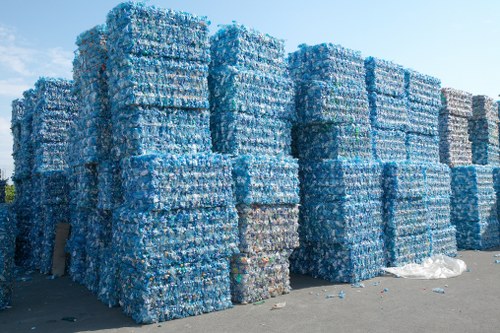
We have set a clear, ambitious recycling percentage target: we aim to achieve and sustain a 65% recycling rate across our commercial contracts within three years, rising to 75% for organic and dry recyclable streams where infrastructure allows. This target is supported by segregated collections, business waste audits and diversion pathways that prioritise reuse and material recovery over disposal.
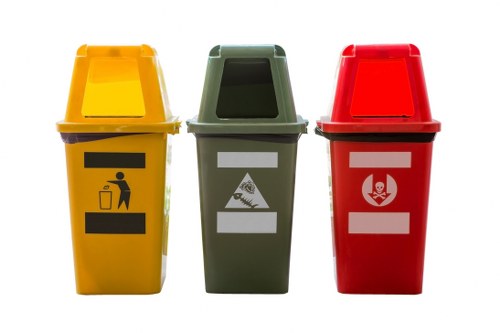
Our targets align with the boroughs' move towards enhanced separation of waste: many local authorities now encourage separate bins for paper, glass, metal, mixed recyclables and food waste. We work with clients to adapt to these local policies so that their contribution to a sustainable rubbish area is both compliant and cost-effective.

Local Transfer Stations and Waste Pathways
We use a network of nearby transfer stations and material processing centres to keep journeys short and emissions low. Collections from Notting Hill are routed to local borough transfer facilities such as Kensal Green transfer points and neighbouring West London consolidation sites, depending on the material and processing required. By consolidating loads and prioritising local processing, we reduce mileage and support a circular economy in West London.
Key elements of our local logistics approach include:
- Short transfer distances to borough-operated and privately managed centres to cut fuel use.
- Material-specific routing so glass, paper, food and mixed dry recycling go to the best available reprocessor.
- Transparent tracking and reporting so clients can see diversion rates and carbon reductions.
We continuously review transfer station choices to prefer facilities that demonstrate high recycling yields and low contamination handling.
Our relationships with local reuse organisations are central to reducing waste sent for processing. We partner with community charities, social enterprises and national reuse networks to redirect usable items — office furniture, textiles, electronics and packaging that meets reuse standards — back into the community rather than into the recycling stream or landfill. These partnerships help create social value from business waste and reduce the overall environmental footprint of disposal.
Examples of collaborative activity include coordinated pick-ups for mattress and furniture reuse, depot drop-offs for IT equipment that can be refurbished, and organised textile collection drives that support local social programs. Each partnership is governed by clear chain-of-custody procedures to ensure materials are safely and ethically reused.
To support on-the-ground action in the sustainable waste area, we offer tailored client onboarding that covers segregation layout, staff briefings and monitoring. Our team can set up labelled bin systems compatible with borough recycling schemes, introduce on-site compactors for cardboard and plastics, and advise on food waste collection to municipal or commercial digestion facilities.
We also invest in low-carbon vans and efficient routing technology. Our fleet includes electric and hybrid vehicles used for short urban collections, and Euro 6 diesel alternatives for larger loads where required. Vehicle telematics and route optimisation reduce idle time and unnecessary travel, contributing to a lower carbon footprint for commercial waste collection in Notting Hill. This commitment to greener vehicles is part of a broader plan to phase in zero-emission transport as charging infrastructure and vehicle availability increase.
Our sustainability strategy encompasses more than transport: it includes operational measures such as load maximisation, container reuse, fuel-efficient training for drivers and energy-conscious transfer scheduling. These steps combine to lower Scope 1 and Scope 3 emissions associated with business waste handling.
Recycling Services and Business Support
Our service offer is tailored for the commercial district character of Notting Hill — boutiques, cafés, professional services and creative industries. We provide bespoke solutions for:
- Paper and cardboard collection, with compaction where necessary
- Glass and mixed container recycling with split or co-mingled options
- Food waste collections for anaerobic digestion or in-vessel composting
- WEEE and office equipment reuse streams in partnership with refurbishers
These options support local businesses in achieving corporate sustainability commitments and reduce the waste footprint across the neighbourhood’s commercial corridor.
 Measuring Success and Continuous Improvement
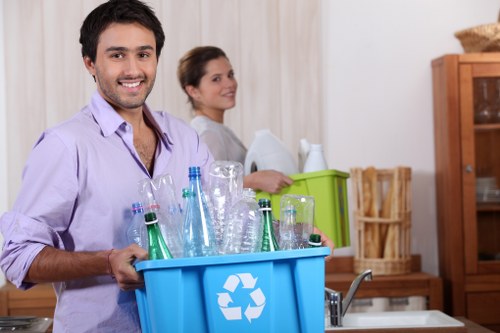
We report recycling rates, tonnages diverted and estimated carbon savings to our clients on a regular basis. Our goal is to make progress visible so that each business in Notting Hill can see how their efforts contribute to a greener district. Continuous improvement is driven by periodic audits, increased segregation where needed and by deepening partnerships with local recycling processors and charities.
By combining an eco waste disposal area mindset with practical logistics, charity partnerships and low-emission vehicles, Commercial Waste Notting Hill aims to make sustainable rubbish management the default option for businesses. If your organisation wants to be part of building a resilient, circular local economy, our services are designed to scale with your needs while protecting the environment and supporting the community.
