Complaints Procedure for Commercial Waste Notting Hill
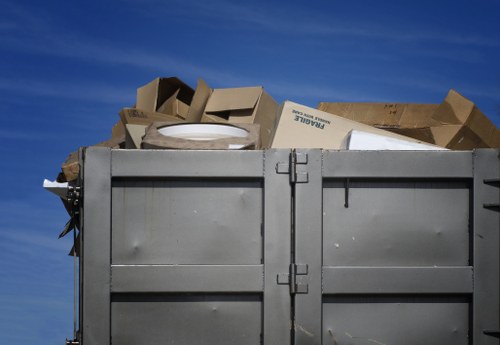 This Complaints Procedure sets out how clients of Commercial Waste Notting Hill services can raise concerns about collection, disposal, recycling, or related account handling. It applies to all business waste and commercial rubbish arrangements across our operational area. The aim is to resolve issues promptly, fairly and with clear records of agreed outcomes.
The scope includes complaints about missed collections, contaminated recycling, damaged containers, or perceived service failures by any team member working on Notting Hill commercial waste contracts. It does not cover general enquiries, which should be directed through standard customer service channels, nor does it replace statutory appeals where a regulator or local authority has jurisdiction.
 Stage 1 — Informal resolution: Initially, customers are encouraged to report problems so they can often be remedied quickly. A report will be acknowledged and an initial review undertaken within a short, defined timeframe. Quick fixes such as re-scheduling a missed pickup or supplying a replacement bin will be treated as priority where operationally feasible.
Stage 2 — Formal complaint: If informal resolution is insufficient, a written complaint will be recorded and assigned a unique reference. The complaint will be investigated by an appointed officer who specializes in handling business waste matters across the service area. Investigations aim to be proportionate, impartial and documented.
Investigators will gather relevant information including collection logs, vehicle GPS traces, staff statements, waste transfer notes and any photographic evidence provided by the complainant. Confidentiality is maintained except where disclosure is necessary to resolve the complaint or is required by law.
 Timeframes and outcomes: A formal acknowledgement will be issued within a stated period and a full response provided after investigation. Typical outcomes include remedial action, service adjustments, training for staff, or an explanation where no service breach is found. All outcomes will be recorded and communicated clearly to the person who raised the complaint.
Appeal and escalation: If a complainant is unsatisfied with the formal response, an internal appeal can be requested. An independent senior manager or a review panel will re-examine the case and provide a final internal decision. The appeal process is designed to be free of charge and to produce a reasoned conclusion based on the evidence available.
Where appropriate, the organisation will outline external review options without directing complainants to any specific regulator. This procedure does not limit any statutory rights; individuals and businesses retain the right to pursue matters through any external body with jurisdiction.
Recording and retention: All complaints and resolutions are logged and retained for a minimum period consistent with record-keeping policies. Records help identify recurring issues, support continuous improvement, and provide an audit trail in case of future disputes.
Performance monitoring: Complaints form an integral part of quality assurance for commercial waste services Notting Hill. Regular reviews of complaint data inform operational changes, training programmes, and service-level adjustments. The goal is to reduce repeat problems and to enhance reliability for businesses relying on waste collections.
Response standards: The organisation commits to clear timescales for each stage of the process and to keeping complainants informed. Where a complex investigation is required, periodic updates will be provided. If delays occur, an estimated completion date will be communicated.
 Confidentiality and data protection: Personal information supplied during a complaint is handled in accordance with applicable data protection principles. Information is used only for investigation, resolution and service improvement. Records are accessible only to those involved in complaint handling and relevant operational staff.
 Responsibilities: Staff are trained to treat complaints seriously and to act promptly. Managers review resolved complaints to ensure corrective actions are implemented. Business waste Notting Hill contracts include clauses that support reasonable complaint resolution mechanisms and promote open communication between provider and client.
Remedies and corrective action: Typical remedies may include re-collection, credits where service shortfalls are proven, the replacement of damaged equipment, or agreed changes to collection schedules. Remedies are proportionate to the issue and are documented in the complaint outcome.
Continuous improvement: The complaints procedure is reviewed periodically to ensure it remains effective and aligned with operational realities. Lessons learned feed into staff training, risk assessments and service planning so that the quality of commercial rubbish services improves over time.
Accessibility: The complaints process is designed to be accessible to all commercial clients, including those with specific communication needs. Reasonable adjustments will be made to support complainants in presenting their concerns and participating in the resolution process.
Transparency and fairness: The organisation strives for transparency in investigations and fairness in outcomes. Decisions are based on facts and evidence, and the process avoids bias by using independent reviews where necessary.
Final remarks: This procedure provides a clear route to raise concerns about Notting Hill commercial waste operations and to seek resolution. It balances timely service recovery with documented accountability so that businesses can rely on consistent, professional waste management.
Summary of steps:
- Report issue informally for quick resolution.
- Submit a formal complaint if initial steps do not resolve the matter.
- Request an internal appeal if dissatisfied with the formal outcome.
Reviews of this procedure occur regularly to reflect operational changes and to improve service delivery for all commercial waste customers in the area.
