Modern Slavery Statement — Commercial Waste Notting Hill
 Commercial Waste Notting Hill confirms its commitment to preventing modern slavery and human trafficking across all operations and supply chains. This statement sets out the measures adopted by Commercial Waste — Notting Hill to identify, mitigate and manage the risks of forced labour, exploitation and other forms of modern slavery. Our approach is founded on a zero-tolerance policy to any conduct that undermines human rights and dignity.
We operate waste collection, recycling and commercial disposal services throughout Notting Hill and the surrounding area under the trading name commercial waste in Notting Hill. The policy applies to all employees, contractors and third-party suppliers engaged by CW Notting Hill and is incorporated into our contractual terms. Managers are accountable for implementation and workers are empowered to raise concerns without fear of retaliation.
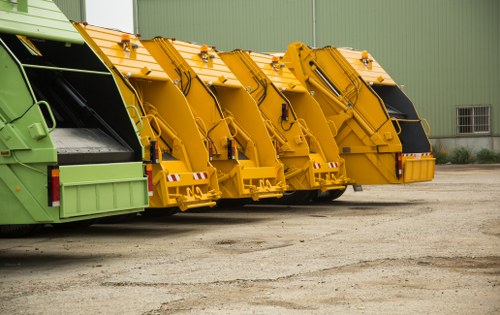 Our supply chain spans vehicle maintenance, PPE procurement, temporary labour and recycling processors. We require suppliers to comply with our anti-slavery standards and to demonstrate that their own subcontractors meet equivalent obligations. Supplier selection includes risk-based screening: higher-risk categories such as temporary labour providers and certain plant hire firms receive enhanced scrutiny and documented evidence of safe labour practices.
The
Zero-Tolerance Policy
is clear: any confirmed instance of modern slavery will result in contract termination, remediation for affected individuals, and appropriate disciplinary action. We will engage with law enforcement and regulatory bodies where required and support victims to access specialist services. Our stance is non-negotiable and applies regardless of commercial pressures or cost considerations.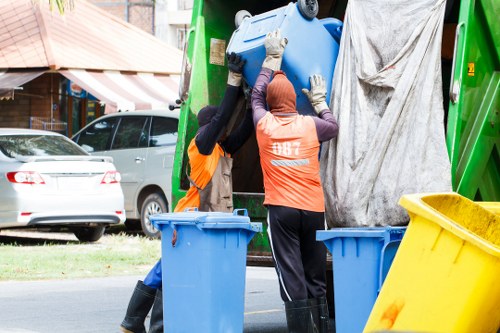 To verify compliance we conduct regular supplier audits and site visits. These assessments combine document review, direct worker interviews and verification of payroll and working hour records where feasible. Audit findings determine corrective action plans, timelines and, where necessary, suspension of supply until standards are met. Audit frequency is risk-based and documented in our procurement procedures.
Reporting channels and whistleblowing
We maintain multiple secure channels for reporting suspected modern slavery. Reports are treated confidentially and investigated promptly. Reporting options include:- Internal line manager escalation and formal HR referral
- Anonymous whistleblowing portal and internal ethics mailbox
- Third-party specialist organisations and referral to statutory agencies where needed
Our procurement terms require suppliers to warrant compliance with anti-slavery laws and to permit audits. We use contractual clauses to secure cooperation, remediation commitments and transparency in subcontracting chains. Commercial-waste Notting Hill also integrates modern slavery risk assessment into tender evaluations and supplier onboarding processes.
 Supplier audits focus on documentation checks, worker interviews, and verification of recruitment practices for agencies. Where audits identify non-conformance we require time-bound corrective action plans and follow-up verification. Persistent failure to remediate enables contract termination and removal from our approved supplier list.
 We commit to an annual review of this Modern Slavery Statement and associated policies. The review assesses policy effectiveness, audit outcomes, training completion rates and any reported incidents. Results inform continuous improvement, updated risk assessments and enhanced supplier engagement. Each year the board reviews performance and endorses changes to strengthen controls. Commercial Waste Notting Hill pledges to maintain transparent governance, robust supplier audits, accessible reporting channels and a persistent focus on eradicating modern slavery from our operations and wider supply chain.
