Commercial Waste in Notting Hill
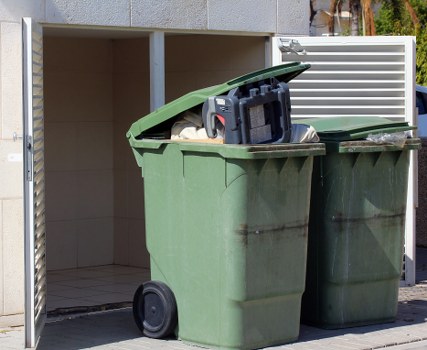
Commercial waste in Notting Hill needs a service that is organised, discreet and suited to busy premises. We handle collections for offices, shops, cafés, studios and other workplaces that produce mixed waste streams during day-to-day operations. The emphasis is on practical removal, clear communication and steady service planning so your waste does not build up around stockrooms, yards or shared access areas. If you need a dependable route for recurring or one-off disposal, this page sets out the main options.
Our work covers typical business waste removal, with a focus on keeping commercial spaces clear of unwanted materials that can interfere with staff movement, storage and presentation. That may include general office rubbish, packaging, old furniture, broken items and other non-hazardous waste that is ready for collection. We also support businesses that need a more structured approach, such as separating different types of waste or arranging collections around trading hours. Practical, tidy removal matters because a cleaner back-of-house area often makes daily work simpler.
If you are comparing options, start with the type of waste, the amount involved and how access works on your site. Then request a quotation using the details most relevant to the collection. For many customers, the quickest way to prepare is to note the items to be removed, whether they are inside or outside, and whether there are any access limits. You can also view our service details first or send an enquiry once you are ready.
Business waste removal for everyday premises
Business waste removal is the core service for companies that generate rubbish as part of normal operations. That can include paper, card, mixed packaging, worn equipment, office fittings and other materials that no longer serve a useful purpose. For many premises, the main aim is not just to take items away, but to do so in a way that fits the rhythm of the working day. A sensible collection plan helps reduce clutter without interrupting customers or staff.
For some sites, the best approach is a straightforward clear-out of accumulated waste; for others, it is a recurring arrangement that keeps waste from building up in the first place. We can support both patterns where suitable, and the right option usually depends on volume, frequency and the kinds of materials involved. If you are sorting through mixed items, it can help to separate reusable furniture from general rubbish before collection, especially when there are different disposal routes involved. Our pricing and quotes page gives a useful starting point for planning around quantities and service scope.
Choosing the right collection pattern
Some businesses only need a single removal after an office reconfiguration, stock change or tidy-up. Others benefit from repeated collections because packaging, print waste and general refuse appear every week. In either case, the decision is usually about keeping the workspace manageable while avoiding unnecessary disruption. If your premises have loading restrictions, lift limits or restricted opening hours, those details are worth highlighting early so the collection can be planned around them.
Office clearance and workplace furniture

Office clearance is often needed when desks, chairs, filing units, partition pieces or other workplace items are no longer useful. The service can help when you are reducing space, replacing furnishings or emptying a room for refurbishment. Rather than leaving equipment to pile up, a planned clearance keeps exits, corridors and reception areas accessible. It also makes it easier to identify what should be removed, what should stay and what might be reused elsewhere on site.
Where office furniture forms part of the job, we can remove individual pieces or larger batches, depending on how the space is organised. If items are mixed with paperwork, loose electricals or packaging, it is sensible to sort the obvious items first so the removal is efficient and safe. Clear separation of waste streams can be helpful when a business wants the process to stay orderly. For more detail on workspace-related removals, see the office clearance page.
When you are preparing a quotation request, it is usually enough to describe the room type, the main item groups and whether the clearance is part of a larger office move, fit-out or declutter. That gives a better picture of access needs and collection size than a vague summary. If the work involves a public-facing area, it can also help to say whether the collection must be carried out outside trading hours or in quieter periods. Book online if you want to begin with the service details first.
Shops, cafés and customer-facing premises
Customer-facing businesses often need waste removed without drawing attention away from trading. In a shop, café or similar venue, this may mean packaging, display materials, broken stock, back-of-house rubbish or bulky items that no longer fit the layout. A good collection keeps entrances, service counters and storage areas clean enough to support normal work. The aim is not merely disposal, but keeping the site functional and presentable.
For premises that welcome the public, timing and access are just as important as the waste itself. Collections may need to be arranged around opening hours, deliveries or staff changes so waste can be moved with minimal interruption. If you manage a mixed-use property, it is sensible to identify any shared spaces, narrow access points or lift use before the collection is arranged. That makes the practical side much simpler and helps avoid last-minute uncertainty.
- One-off clear-outs after refurbishment or stock rotation
- Routine removal of packaging and general business rubbish
- Clearance of unwanted fixtures, counters or back-room items
- Careful handling of mixed loads where items need sorting
Waste types we can help remove

Commercial sites produce different waste types, so the best removal plan depends on what is being thrown away. General office waste may be light and easy to load, while furniture, appliances or mixed clear-out items need more space and a different approach. Some loads are mainly paper and packaging; others include materials from a refit, a relocation or a long-overdue storage clear-out. Understanding the load makes it easier to match the service to the job.
We also support businesses that need help with more specific items from time to time, including larger furniture or appliance-related waste where appropriate. For example, a workplace might need assistance with removing old seating, storage units or kitchen items that are no longer in use. In those cases, the useful question is not only what needs to go, but how it is arranged, whether it can be moved safely and whether there are any restrictions on building access. Read more about these options on our furniture clearance page.
Where a collection contains a mix of different materials, it is usually best to describe the most awkward items first. That might be bulky furniture, heavy appliances or a pile of varied office contents. A brief note about where the waste is stored, and whether it needs to pass through narrow doors or stairs, often gives enough information to shape the job properly. If you already know the item types, that makes it easier to request the right quotation.
Planning a collection around your site
Good planning is often the difference between an awkward collection and a straightforward one. Commercial waste removal usually works best when the business can explain where the waste is kept, how it can be reached and whether any items are too heavy, awkward or fragile to move quickly. Those details let the collection be organised with less disturbance to trading, staff movement and shared access.
If your premises have more than one level, a basement store or a rear service entrance, it is useful to mention that early. The same applies if you manage a building with parking restrictions, concierge rules or limited loading time. You do not need to produce a long inventory, but a clear summary of the waste, access and preferred timing is valuable. For residential-style clear-outs that are sometimes relevant to mixed premises, the flat clearance page explains a related type of removal.
A sensible enquiry normally includes only a few points: the service needed, the rough volume, the collection location within the premises and any time constraints. That is enough for a quotation in many cases and avoids unnecessary back-and-forth. If you are still deciding how much needs to go, gathering the most visible items first can make the next step easier. You can also keep the process simple by separating clearly reusable pieces from general waste before you send details.
Office moves, refurbishments and fit-outs
Commercial waste often rises during office moves, refurbishments and fit-outs, when old furnishings, packaging and unwanted fixtures all appear at once. These jobs are usually more varied than everyday rubbish removal because the load can include dismantled fittings, redundant storage, broken items and mixed debris from new installations. A flexible collection plan helps keep the project area usable while the work continues.
In these situations, it is helpful to think about waste removal alongside the wider timetable of the premises. If an office is being reconfigured, the clearance may need to happen in stages rather than all at once. If a contractor is working on site, waste may need to be removed before the next phase can begin. For fit-out related clearances, see the builders waste clearance page if construction materials are involved, or the waste removal page for a broader overview of the main service.
Because these projects often involve mixed materials, it helps to identify what is ordinary commercial waste and what belongs to another disposal stream. That can include timber offcuts, packaging, old carpets, office contents or items waiting to be replaced. The more clearly those groups are described, the easier it is to quote for the work and plan the right collection sequence. If the project is time-sensitive, make that clear from the outset.
About Notting Hill
Notting Hill is a district in west London best known for its varied streets, residential squares and long-standing association with culture, design and neighbourhood life. It sits across parts of the Royal Borough of Kensington and Chelsea and the London Borough of Westminster, with an identity that has evolved through generations of change. The area grew significantly during the nineteenth century, when much of the housing was laid out in the form of terraces, stucco fronts and garden squares that still shape the street pattern today. Those architectural layers remain one of the clearest ways to read the district’s history, from the formal lines of grander residential roads to the more modest mews and side streets tucked behind them.
One of the best-known features of the area is Portobello Road, which has developed a strong reputation for its market life and mixed commercial character. The road’s identity has shifted over time, but it remains closely associated with antiques, food stalls and a busy street scene that draws people from across London and beyond. Notting Hill also became widely recognised through film, publishing and music, though its everyday character is shaped just as much by local shops, cafés, churches, schools and community spaces. The district’s streets contain a notable range of building styles, and many of the houses retain decorative details that reflect the prosperity and tastes of the period in which they were built.
Beyond the shopping streets, the neighbourhood includes quieter pockets and access to open space through nearby communal gardens and surrounding streets that lead towards Kensington Gardens and Holland Park. Its position in west London gives it a connected but distinctly local feel, with a mix of residential calm and lively commercial activity. The area’s name is now used broadly, yet its character is still best understood through the details of its streetscape: stucco terraces, narrow lanes, railway arches in nearby parts, market frontage and the social history layered into everyday use of the place.
Clearance choices for different business needs
Different businesses need different levels of removal support, and the right choice depends on how much waste has accumulated and what kind of premises it came from. Some customers only need a light clear-out of packaging and old office contents. Others are dealing with a fuller premises reset, in which furniture, fixtures and mixed refuse all need to be moved together. A thoughtful approach avoids paying for more service than the site actually needs.
For larger or more mixed jobs, it can help to think in layers: first the easy-to-identify items, then the bulky pieces, then the smaller waste that fills the gaps. That method makes the work easier to describe and often easier to quote. If any items are fragile, awkward or placed in a confined area, mention that too. For specific bulky-item removals, you may also find the fridge and appliance removal page useful, while the mattress and sofa disposal page covers other large household-style items sometimes found in mixed premises.
Need a straightforward collection plan for your business? Start with the waste type and access details, then request a quotation when you are ready. If you are still weighing up the options, our service pages can help you decide what fits best.
Responsible disposal and waste sorting
Commercial waste removal is not only about loading items away; it also depends on sensible sorting and disposal choices once the collection has been made. Different materials may need to be handled separately, particularly when a business produces a combination of furniture, office contents, packaging and mixed rubbish. Clear sorting helps keep the process orderly and makes it easier to direct each type of waste to a suitable route.
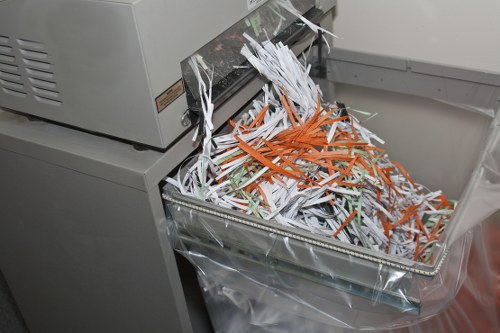
Businesses often want to know whether a collection can include items that are still reusable, or whether certain materials should be separated before removal. The practical answer is that it is usually better to group similar items together where possible, especially when bulky objects or sensitive materials are involved. If your waste includes confidential paperwork, the confidential shredding page covers a related service. For businesses that are focused on material handling and disposal standards, the recycling and sustainability page offers further context.
When waste is varied, the most helpful preparation is often simple observation rather than elaborate sorting. Identify what is bulky, what is lightweight and what must be treated carefully. That gives a clearer picture than trying to describe everything in broad terms like “junk†or “rubbishâ€. A well-described load leads to a better-shaped quotation and fewer surprises on the day.
Getting a quotation
A quotation request for commercial waste in Notting Hill is usually strongest when it is short, specific and honest about the task. Include the type of premises, the main waste items, whether the work is a one-off or recurring collection, and any access limits that may affect removal. If items are on upper floors, in a basement or behind a reception area, that matters too. The clearer the outline, the easier it is to match the job to the right service.
Once you know what needs to go, you can decide whether the removal is best treated as general business waste, an office clearance or a more specialised collection. If there are electrical items, mixed bulky goods or items linked to a refurbishment, mention them in the same enquiry so the scope is clear from the start. For direct next steps, you can visit the contact us page and send the details needed for a quotation.
If you would rather review the practical information first, use the relevant service pages and then come back when you are ready. The aim is to keep the process simple: describe the waste, explain access and request a quotation. That is usually enough to begin a sensible, well-matched commercial collection.